

Working offshore in industries like oil drilling, shipping, and commercial fishing comes with significant risks. Offshore workers often operate in hazardous environments where heavy machinery, unpredictable weather, and long shifts are part of the job. When accidents happen, the consequences can be severe—ranging from serious injuries to permanent disability or even death.
If you or a loved one has been injured while working offshore, you may be entitled to compensation. However, offshore accident claims are complex, involving specialized laws like the Jones Act, the Longshore and Harbor Workers’ Compensation Act (LHWCA), and general maritime law. That’s where an offshore accident lawyer becomes essential.
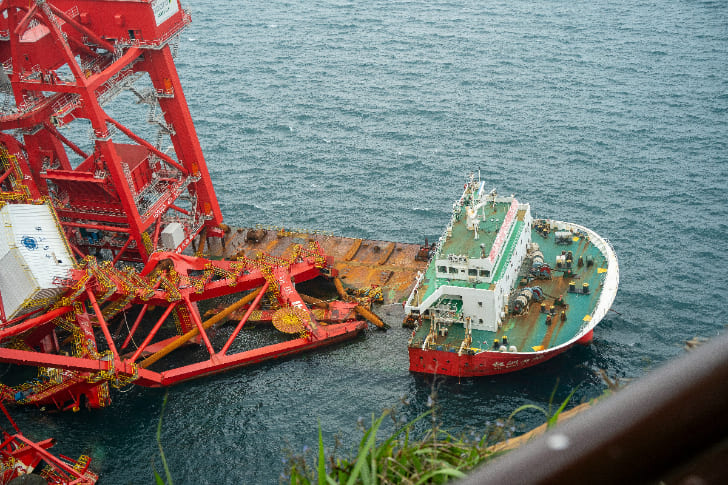
In this guide, we’ll explore the 10 most important things you must know about offshore accident lawyers—from what they do to how they can help you protect your rights.
1. Offshore Accident Lawyers Specialize in Maritime Law
Unlike general personal injury attorneys, offshore accident lawyers specialize in maritime law—a unique area of law that governs injuries and disputes on navigable waters. This includes:
- The Jones Act (protecting seamen injured due to employer negligence).
- The Longshore and Harbor Workers’ Compensation Act (LHWCA) (covering dock workers, harbor workers, and certain offshore employees).
- General Maritime Law (covering maintenance and cure benefits, unseaworthiness claims, and wrongful death).
Because offshore accidents are governed by a mix of federal statutes and maritime principles, you need a lawyer with experience in this field—not just any personal injury lawyer.
Example: A regular injury lawyer may not understand how to file a Jones Act claim or prove vessel unseaworthiness, but an offshore accident lawyer does.
2. They Handle a Wide Range of Offshore Accidents
Offshore accidents aren’t limited to just oil rig incidents. An offshore accident lawyer can handle cases involving:
- Oil rig explosions and fires.
- Slip and fall injuries on vessels.
- Machinery and equipment failures.
- Crane and cargo accidents.
- Commercial diving accidents.
- Exposure to toxic chemicals.
- Vessel collisions.
- Falling overboard accidents.
Whether the accident happens on a drilling rig, commercial ship, barge, or platform, an offshore accident lawyer knows which laws apply and how to build a strong claim.
3. They Help Prove Negligence and Liability
To win compensation, it’s not enough to show you were injured—you must prove negligence or unsafe conditions caused the accident. Offshore accident lawyers investigate and gather evidence such as:
- Maintenance records of the vessel or rig.
- Safety inspection reports.
- Witness statements from coworkers.
- Accident reports filed with the Coast Guard or OSHA.
- Employer training and safety policy violations.
Example: If an employer failed to provide proper safety equipment or pressured workers to ignore safety rules, that can establish negligence.
4. Offshore Workers Have Special Legal Rights
One of the most important things to know is that offshore workers are protected by special maritime laws that provide more rights than standard workers’ compensation.
- The Jones Act allows injured seamen to sue their employers for negligence, unlike regular workers’ compensation laws.
- Maintenance and cure benefits ensure injured seamen receive living expenses and medical treatment until they recover.
- Unseaworthiness claims hold vessel owners liable if unsafe conditions onboard caused the injury.
An offshore accident lawyer ensures you don’t miss out on these additional benefits by filing the right type of claim.
5. Compensation Can Be Substantial
Offshore accidents often lead to severe injuries—burns, spinal injuries, traumatic brain injuries, amputations, or fatalities. Compensation in these cases can be significant and may include:
- Medical expenses (current and future).
- Lost wages and loss of future earning capacity.
- Pain and suffering.
- Disability or disfigurement.
- Rehabilitation and long-term care costs.
- Wrongful death benefits for families.
Example: An oil rig worker injured in an explosion may be entitled to millions in compensation for medical costs and lifelong disability, something an offshore accident lawyer fights to secure.
6. Statutes of Limitations Apply
Time is critical in offshore accident cases. Each law has its own statute of limitations:
- Jones Act claims: Generally must be filed within 3 years of the accident.
- LHWCA claims: Usually must be filed within 1 year.
- General maritime claims: Vary depending on the circumstances.
Missing these deadlines can mean losing your right to compensation. An offshore accident lawyer ensures claims are filed on time and correctly.
7. Employers and Insurance Companies Often Fight Claims
Companies that own rigs, vessels, or shipping fleets have powerful insurance companies and legal teams working to limit their liability. Common tactics include:
- Blaming the injured worker for the accident.
- Offering lowball settlements.
- Pressuring workers to return to work before they’ve healed.
- Delaying payments for medical care.
An offshore accident lawyer protects you from these tactics, negotiates fair settlements, and, if necessary, takes the case to trial.
8. Many Cases Are Settled, But Trials Happen Too
Most offshore accident cases are resolved through settlements, avoiding the uncertainty of a trial. However, if a fair settlement isn’t possible, an experienced offshore accident lawyer won’t hesitate to take the case to court.
Why settlements are common:
- Trials are expensive and time-consuming.
- Companies want to avoid bad publicity.
- Workers may prefer quicker compensation.
Tip: Even if your lawyer expects a settlement, they should prepare as if the case will go to trial—this increases your bargaining power.
9. Offshore Accident Lawyers Work on Contingency
Most offshore accident lawyers work on a contingency fee basis, meaning you don’t pay upfront. Instead, they only get paid if you win or settle your case. Their fee is typically a percentage of your compensation (usually 30–40%).
This arrangement ensures offshore workers can access legal help without worrying about expensive hourly rates.
Key takeaway: You risk nothing financially by consulting an offshore accident lawyer.
10. Choosing the Right Offshore Accident Lawyer Matters
Not all lawyers are equally qualified to handle offshore accident cases. When choosing a lawyer, consider:
- Experience in maritime law: Look for a proven track record in Jones Act and maritime cases.
- Resources: Offshore cases require expert witnesses, accident reconstruction, and medical experts.
- Trial readiness: Even if you expect a settlement, choose a lawyer willing to take your case to court.
- Client testimonials: Positive reviews from other offshore workers can indicate reliability.
Tip: Ask during your consultation how many offshore cases they’ve handled and their success rate.
Additional Insights
The Emotional Impact of Offshore Accidents
Beyond the financial and physical toll, offshore accidents can lead to depression, anxiety, and PTSD. A lawyer can connect clients with medical experts and support systems to aid recovery.
Families Have Rights Too
If a worker is killed in an offshore accident, their family may be entitled to wrongful death benefits, including funeral costs, loss of financial support, and loss of companionship.
Safety Improvements
Offshore accident lawsuits don’t just help victims—they also hold companies accountable, forcing them to improve safety standards for future workers.
Pros and Cons of Hiring an Offshore Accident Lawyer
| Pros | Cons |
|---|---|
| Specialized knowledge of maritime law | Cases can take years to resolve |
| Access to expert witnesses and resources | Emotional stress during litigation |
| Ability to maximize compensation | Lawyers take a percentage of settlement |
| Protection against employer/insurer tactics | Some claims may be difficult to prove |
Real-Life Example
In 2010, the Deepwater Horizon explosion killed 11 workers and injured many more. Injured workers and families filed lawsuits under the Jones Act and maritime law, leading to billions in settlements and compensation.
This case highlighted how offshore accident lawyers play a crucial role in securing justice after large-scale maritime disasters.
Conclusion
Offshore work is dangerous, and when accidents happen, the stakes are high. Medical bills, lost income, and long-term disability can devastate workers and their families. An offshore accident lawyer ensures you understand your rights, file the correct claims, and pursue maximum compensation under maritime law.
To recap, the 10 things you must know about offshore accident lawyers are:
- They specialize in maritime law.
- They handle many types of offshore accidents.
- They prove negligence and liability.
- Offshore workers have special legal rights.
- Compensation can be substantial.
- Statutes of limitations apply.
- Employers and insurers fight claims aggressively.
- Most cases settle, but trials happen too.
- They work on contingency, so no upfront fees.
- Choosing the right lawyer is critical.
If you’ve been injured offshore, don’t delay. Consulting an offshore accident lawyer could be the key to securing your financial future and holding negligent companies accountable.







Leave a Reply