

Owning a home is one of the biggest investments most people will ever make. Whether you’ve purchased your first house, upgraded to a larger one, or inherited property, protecting that investment is crucial. That’s where homeowners insurance comes in.
Homeowners insurance offers financial protection against unexpected events such as fire, theft, storms, or accidents on your property. But many people misunderstand what homeowners insurance does and doesn’t cover, which can lead to costly surprises down the road.
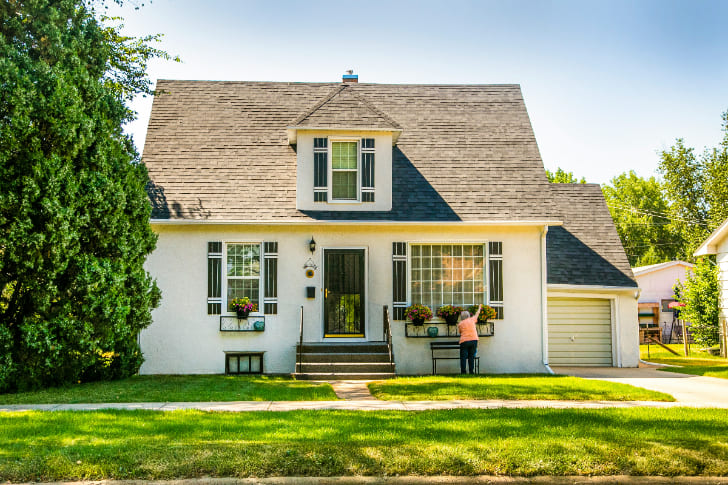
To help you make informed decisions, here are 10 things you must know about homeowners insurance—from coverage basics to tips for lowering your premiums.
1. Homeowners Insurance Is Not Legally Required, But Often Necessary
Unlike auto insurance, most states don’t require you by law to carry homeowners insurance. However, if you financed your home with a mortgage, your lender will almost certainly require it. Lenders want to protect their investment, and insurance ensures the home can be repaired or rebuilt if disaster strikes.
Even if you own your home outright, skipping homeowners insurance is extremely risky. Imagine losing your house to a fire or severe storm and having no financial support to rebuild—it could be financially devastating.
Bottom line: Homeowners insurance may not be a legal obligation, but it’s practically essential.
2. There Are Different Types of Homeowners Insurance Policies
Not all homeowners insurance policies are created equal. Insurance companies offer different types, often referred to as HO policies (Homeowners). The most common include:
- HO-1: Basic coverage (rarely offered anymore).
- HO-2: Broad coverage for named perils like fire, theft, or hail.
- HO-3: The most common policy. Covers your home against all perils except those specifically excluded.
- HO-5: Premium policy with more comprehensive coverage, including your personal belongings.
- HO-6: Condo insurance, tailored to cover unit interiors.
- HO-7: Mobile or manufactured home insurance.
- HO-8: Designed for older or historic homes with unique rebuilding needs.
Knowing which type of policy you need ensures you don’t end up underinsured or overpaying for unnecessary coverage.
3. Standard Coverage Includes More Than Just Your House
A typical homeowners insurance policy doesn’t only cover the structure of your home. It often includes several categories of protection:
- Dwelling Coverage: Pays for repairs or rebuilding if your house is damaged by a covered peril.
- Other Structures: Covers garages, sheds, fences, or detached structures.
- Personal Property: Protects belongings like furniture, electronics, and clothing.
- Liability Protection: Covers legal and medical costs if someone is injured on your property.
- Loss of Use (Additional Living Expenses): Helps pay for temporary housing and meals if your home is uninhabitable after damage.
Understanding these categories is important because they determine how much protection you have in different scenarios.
4. Not Everything Is Covered
One of the biggest misconceptions about homeowners insurance is that it covers every type of damage. In reality, policies have exclusions. Common exclusions include:
- Floods (requires separate flood insurance).
- Earthquakes (requires earthquake insurance).
- Mold (often limited or excluded).
- Wear and tear or neglect.
- Damage caused by pests (termites, rodents, etc.).
This means if you live in a flood-prone or earthquake-prone area, you’ll need to purchase additional coverage. Always read the fine print of your policy so you’re not blindsided when filing a claim.
5. Coverage Limits and Deductibles Matter
Every homeowners insurance policy has coverage limits—the maximum amount the insurer will pay for a claim—and deductibles, which is what you pay out of pocket before insurance kicks in.
For example:
- If your dwelling coverage is $300,000 and a fire causes $350,000 in damage, you’ll only receive up to $300,000 (minus your deductible).
- If you have a $1,500 deductible and your repair costs are $10,000, you pay $1,500 and your insurer pays $8,500.
Choosing the right balance between premiums, deductibles, and coverage limits is key. Lower deductibles mean higher premiums and vice versa.
6. Replacement Cost vs. Actual Cash Value
How your insurance company values your property makes a big difference in how much you’ll be reimbursed.
- Replacement Cost Coverage: Pays what it would cost to repair or replace damaged property with new materials of similar quality.
- Actual Cash Value (ACV): Pays replacement cost minus depreciation. That means you may get much less money, especially for older belongings.
For example, if a 10-year-old roof is destroyed, ACV would reimburse its depreciated value, while replacement cost coverage would cover the full cost of a new roof.
Whenever possible, choose replacement cost coverage—it offers much stronger protection.
7. Your Credit Score Can Affect Your Premiums
Many homeowners are surprised to learn that their credit score can influence how much they pay for insurance. Insurers use credit-based insurance scores to assess risk, arguing that people with better credit are less likely to file claims.
- Higher credit scores typically mean lower premiums.
- Poor credit can result in significantly higher costs, even if you’ve never filed a claim.
This is one more reason to monitor your credit report and work on improving your score—it impacts more than just loan approvals.
8. Discounts Can Lower Your Costs
Homeowners insurance premiums can be expensive, but there are ways to save money. Many insurers offer discounts, such as:
- Bundling home and auto insurance.
- Installing security systems, smoke detectors, or smart home technology.
- Having a claims-free history.
- Upgrading your home’s roof, wiring, or plumbing to reduce risk.
- Being a long-term customer with the same insurer.
It’s always worth asking your insurance provider about available discounts—you could save hundreds each year.
9. Filing a Claim Can Impact Future Premiums
While insurance exists to protect you, filing too many claims can backfire. Insurers may raise your premiums or even drop your coverage if you file multiple claims within a few years.
Before filing, consider:
- The size of the damage vs. your deductible. If the repair costs are only slightly above your deductible, it may not be worth filing.
- The long-term cost. Higher premiums for years could outweigh the short-term payout.
Use insurance for significant losses, not minor repairs. Think of it as financial protection for major disasters, not a maintenance fund.
10. It Pays to Shop Around and Review Regularly
One mistake homeowners make is buying insurance once and forgetting about it. Insurance needs change over time as your home value increases, you remodel, or you acquire new belongings.
Tips for staying protected and saving money:
- Shop around: Compare quotes from multiple providers every few years.
- Reassess coverage annually: Make sure your dwelling and personal property limits still match your needs.
- Update after renovations: Major upgrades, like adding a new kitchen or finishing a basement, may require higher coverage.
- Check neighborhood changes: If your area experiences higher crime or weather risks, premiums may adjust.
Regular reviews ensure you’re not underinsured or overpaying.
Final Thoughts
Homeowners insurance may seem complicated, but it’s a vital safeguard for your most valuable asset—your home. The key is understanding what’s covered, what’s excluded, and how much protection you truly need.
Here’s a quick recap of the 10 things you must know about homeowners insurance:
- It’s not legally required but usually necessary.
- There are different policy types (HO-1 to HO-8).
- Standard coverage extends beyond just the house.
- Not everything is covered (floods, earthquakes, etc.).
- Coverage limits and deductibles determine payouts.
- Replacement cost is better than actual cash value.
- Credit scores affect premiums.
- Discounts can save you money.
- Too many claims can raise future costs.
- Shopping around and reviewing policies is essential.
By keeping these in mind, you can make smarter choices, avoid nasty surprises, and secure the right coverage at the best price. After all, your home isn’t just a building—it’s where your life happens. Protect it wisely.








Leave a Reply