
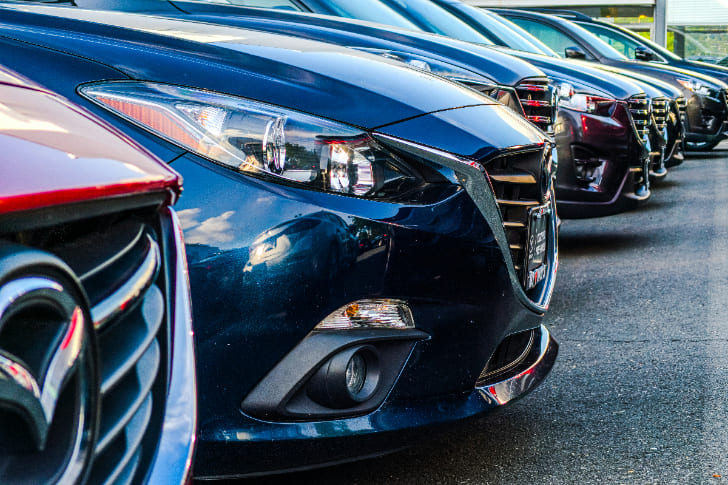
Businesses that rely on vehicles—whether for transporting goods, providing services, or carrying employees—face unique risks. Accidents, vehicle damage, liability claims, and even legal compliance issues can create significant financial burdens. This is why commercial auto insurance is essential for businesses that operate vehicles.
Before purchasing a policy, most business owners request commercial auto insurance quotes to compare coverage options, premiums, and providers. However, understanding what influences these quotes and how to interpret them is critical to getting the right protection at the best price.
In this article, we’ll explore the 10 most important things you must know about commercial auto insurance quotes.
1. What Commercial Auto Insurance Covers
Commercial auto insurance is designed to protect vehicles used for business purposes, unlike personal auto insurance. Coverage typically includes:
- Liability coverage: Protects against bodily injury and property damage caused to others.
- Collision coverage: Covers damage to your vehicles in an accident.
- Comprehensive coverage: Protects against non-collision damage such as theft, fire, or natural disasters.
- Uninsured/underinsured motorist coverage: Covers damage caused by drivers without sufficient insurance.
- Medical payments coverage: Pays for medical expenses for the driver or passengers.
- Cargo coverage: Protects goods being transported.
Tip: Commercial auto insurance quotes should clearly specify what types of coverage are included.
2. How Commercial Auto Insurance Quotes Are Calculated
Insurance providers use various factors to determine the premium for a commercial auto policy. These factors include:
- Number and type of vehicles: Trucks, vans, or specialty vehicles may have higher premiums.
- Vehicle use: Delivery vehicles, passenger vans, or long-haul trucks face different levels of risk.
- Driver history: Accidents, traffic violations, or lack of experience can increase premiums.
- Location: Areas with high traffic density, theft rates, or accident frequency affect rates.
- Business industry: Certain industries, like construction or transportation, carry higher risk.
- Coverage limits and deductibles: Higher limits or lower deductibles increase premiums.
Example: A delivery company with multiple trucks and drivers will receive a higher quote than a small business with one service van.
3. Differences Between Personal and Commercial Quotes
Many business owners assume personal auto insurance will cover business use, but it usually doesn’t. Commercial auto insurance is different in key ways:
- Risk exposure: Business vehicles often carry equipment or passengers, increasing liability.
- Higher coverage limits: Policies are tailored to cover business assets and potential lawsuits.
- Specialized endorsements: Add-ons for cargo, employee vehicles, hired/non-owned vehicles, and more.
Tip: Obtaining a commercial quote is essential to avoid underinsurance or policy denial in the event of a claim.
4. The Importance of Accurate Vehicle and Driver Information
Insurance quotes are only as accurate as the information provided. Errors or omissions can lead to:
- Underestimating the risk, resulting in denied claims.
- Overpaying for coverage.
- Policy cancellation or legal issues.
Ensure the insurance provider has complete details, including:
- Vehicle make, model, year, and VIN.
- Primary use of each vehicle.
- Driver names, licenses, and experience levels.
- Mileage and operation zones.
Tip: Keep records updated, especially when adding new vehicles or drivers.
5. Understanding Coverage Limits and Deductibles
Commercial auto insurance quotes often show different premium amounts based on coverage limits and deductibles:
- Coverage limits: The maximum amount the insurer will pay per accident or claim. Higher limits provide more protection but increase premiums.
- Deductibles: The amount the policyholder pays out-of-pocket before insurance kicks in. Higher deductibles lower premiums but increase personal risk.
Example: A business might choose a $1 million liability limit with a $1,000 deductible to balance cost and protection.
6. The Role of Endorsements in Commercial Quotes
Endorsements, also known as riders, are additions that modify or enhance a standard policy. Common endorsements include:
- Hired and non-owned auto coverage: Protects the business when employees use personal or rented vehicles for work.
- Cargo coverage: Ensures goods in transit are protected.
- Roadside assistance: Towing and repair services for business vehicles.
- Gap coverage: Covers the difference between the vehicle’s value and the remaining loan balance.
Tip: Ask your insurance provider which endorsements are necessary for your business type.
7. How Claims History Affects Commercial Auto Insurance Quotes
A company’s claims history directly impacts insurance quotes. Frequent claims indicate higher risk, resulting in higher premiums. Key points include:
- Past accidents, even if not your fault, can increase rates.
- Fraudulent or exaggerated claims can lead to denial of coverage.
- Maintaining a safe driving record can qualify your business for discounts.
Tip: Encourage driver safety programs to reduce accidents and lower future premiums.
8. Comparing Quotes From Multiple Providers
Getting multiple quotes is essential for finding the best coverage at a competitive price. When comparing:
- Ensure apples-to-apples coverage. Don’t compare quotes with vastly different limits or endorsements.
- Review exclusions and limitations in each policy.
- Consider the insurer’s financial stability and claims service.
- Ask about discounts for multiple vehicles, safe driving, or bundled insurance policies.
Example: Two quotes may seem similar, but one may exclude employee injuries while the other includes them. Understanding these differences prevents surprises.
9. Online vs. Agent-Assisted Quotes
Business owners can obtain quotes online or through an insurance agent:
- Online quotes: Fast and convenient; good for initial estimates.
- Agent-assisted quotes: Provide personalized advice, clarification of coverage, and guidance on endorsements.
Tip: Use online quotes to compare prices, but consult an agent to ensure full understanding of coverage and risks.
10. Choosing the Right Commercial Auto Insurance Policy
A commercial auto insurance quote is just a starting point. The right policy depends on:
- Business size and number of vehicles.
- Type of business operations (delivery, transport, services).
- Risk exposure for drivers, cargo, and property.
- Desired coverage limits, deductibles, and endorsements.
- Budget constraints balanced with adequate protection.
Key takeaway: Don’t choose a policy solely based on the lowest premium. Proper coverage prevents financial loss and legal complications.
Additional Insights
The Impact of Vehicle Type on Quotes
Specialty vehicles such as heavy trucks, refrigerated trucks, or vehicles with specialized equipment can increase premiums due to higher replacement costs and liability exposure.
Telematics and Safety Programs
Many insurers offer discounts for telematics programs that monitor driver behavior, promoting safe driving and reducing premiums over time.
Regulatory Requirements
Some industries, like transportation and delivery services, require specific commercial auto insurance minimums. Your quote should comply with state and federal regulations.
Seasonal and Mileage Considerations
Business vehicles that operate only part-time or have lower annual mileage may qualify for lower premiums. Discuss these details when requesting quotes.
Pros and Cons of Commercial Auto Insurance Quotes
| Pros | Cons |
|---|---|
| Provides insight into potential costs | Quotes may vary widely between providers |
| Helps compare coverage options | Online quotes may not include all necessary endorsements |
| Identifies gaps in coverage before purchase | Incorrect information can invalidate quotes |
| Facilitates budgeting for business insurance | Low quotes may offer insufficient protection |
| Encourages safety and risk management programs | Frequent changes in business operations require updated quotes |
Real-Life Example
A landscaping company with ten trucks obtained three commercial auto insurance quotes:
- Provider A: Lowest premium but limited cargo and liability coverage.
- Provider B: Higher premium but included comprehensive coverage, hired auto protection, and roadside assistance.
- Provider C: Moderate premium with flexible deductibles and discounts for driver safety programs.
After reviewing endorsements and coverage limits, the company chose Provider B to ensure full protection for its vehicles, employees, and clients, demonstrating the importance of evaluating quotes beyond price alone.
Conclusion
Commercial auto insurance is critical for protecting business vehicles, drivers, and assets. Understanding commercial auto insurance quotes ensures you select the right coverage, balance costs, and minimize risk.
To recap, the 10 things you must know about commercial auto insurance quotes are:
- Commercial insurance covers liability, collision, comprehensive, and specialized risks.
- Quotes are calculated based on vehicle type, usage, drivers, and business industry.
- Commercial insurance differs from personal auto policies in coverage and exposure.
- Accurate vehicle and driver information is essential for reliable quotes.
- Coverage limits and deductibles significantly influence premiums.
- Endorsements modify policies to meet business-specific needs.
- Claims history affects premiums and eligibility for discounts.
- Comparing multiple quotes ensures comprehensive coverage and competitive pricing.
- Online and agent-assisted quotes offer different benefits.
- Choosing the right policy requires evaluating coverage, risk, and cost—not just price.
By understanding these factors, business owners can make informed decisions, protect their vehicles and assets, and maintain financial stability while operating safely and legally.






Leave a Reply